What it is
Scarring alopecia permanently destroys hair follicles. Once a follicle scars that hair is gone forever. Early detection can stop the damage. Late detection cannot undo it.
Scarring alopecia education detection and patient registry for African American women and men beyondthehairline.com
You are not alone in this
Scarring alopecia affects people of all races and genders but the burden is not equal. CCCA is the most common form in African American women. AKN disproportionately affects African American men. LPP and FFA are more prevalent in Caucasians and others. What they all share is this most people go undiagnosed for years. The chair is almost always where it is noticed first.

Understanding the Condition
Scarring alopecia permanently destroys hair follicles. Once a follicle scars that hair is gone forever. Early detection can stop the damage. Late detection cannot undo it.
CCCA is the number one cause of hair loss in African American women. It also affects African American men. Most go years without a diagnosis — not because it is rare but because no one has been collecting the data.
If you have not received a formal diagnosis yet you belong here too. Many people coming to this platform are still in the process of finding answers.
Who It Affects

Central Centrifugal Cicatricial Alopecia is the most common form of scarring alopecia in African American women affecting the crown and spreading outward. It is permanent if untreated but recognizable and diagnosable.
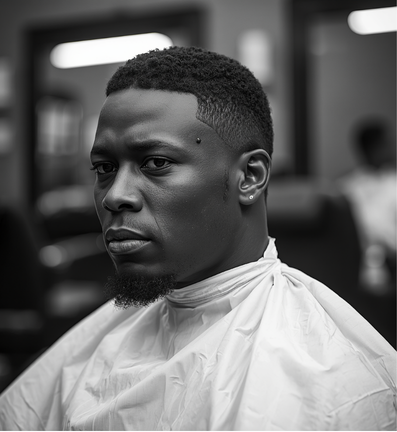
Acne Keloidalis Nuchae disproportionately affects African American men beginning at the nape of the neck. It is often dismissed as razor bumps. It is not. Early recognition and medical referral can stop permanent damage.
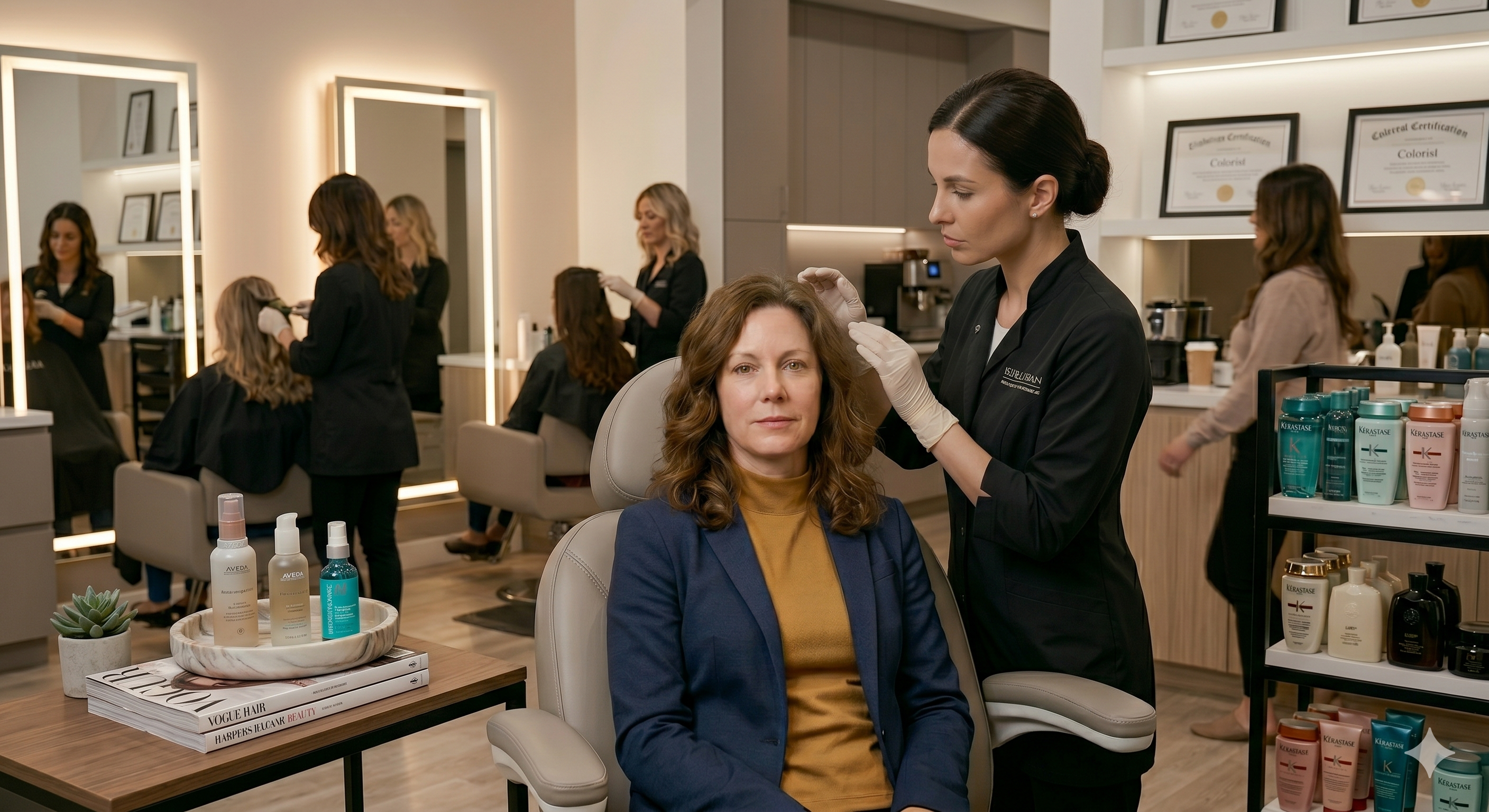
Lichen Planopilaris and Frontal Fibrosing Alopecia primarily affect women causing progressive hairline recession. Frontal Fibrosing Alopecia is an epidemic. It is growing.
Three steps. The first two take five minutes. The third one is yours to keep — free — the moment you finish.
01
Find your entry point below.
Your stylist, barber, SAF, or social media brought you here. Each source has its own referral code. Scroll to the section below and click yours.
02
Complete the registry form on screen.
One form. Five minutes. Your information is protected and de-identified. It may be used to advance scarring alopecia research and advocacy.
Your personal 30-day scalp monitoring journal. Delivered instantly when you complete the registry. Only available to registry participants. Never sold anywhere else.
Join the Registry Now →There are several ways to reach the Beyond the Hairline registry. Each has its own unique referral code. Your code is revealed when you click your entry point below. The registry page is the same for everyone — your code simply tells us how you found us.
Watch
From Fifty and Unfiltered — a real, unfiltered conversation about scarring alopecia, the chair, and why this platform exists.
The Instructors
Beyond the Hairline brought together four specialists to build the first state-approved scarring alopecia CE course in the country. Each brings a different lens. Together they cover everything a beauty professional needs to know.

Certified Trichologist
Mississippi Licensed Cosmetologist and Cosmetology Instructor with 18 years in hair and scalp health. Certified Trichologist, World Trichology Society. Founder of TriExperts Hair Wellness Center. President, MS School Owners and Teachers Association. She teaches beauty professionals how to see what they have been trained to overlook.
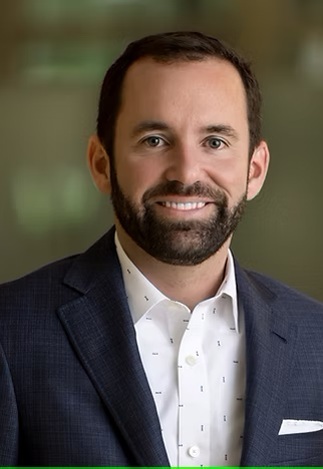
Board-Certified Dermatologist
Staff Dermatologist at Magnolia Dermatology and Faculty-Clinician Educator at the University of Mississippi Medical Center. Mississippi Representative on the Advisory Board of the American Academy of Dermatology. He gives beauty professionals the clinical language to match what they see in the chair.
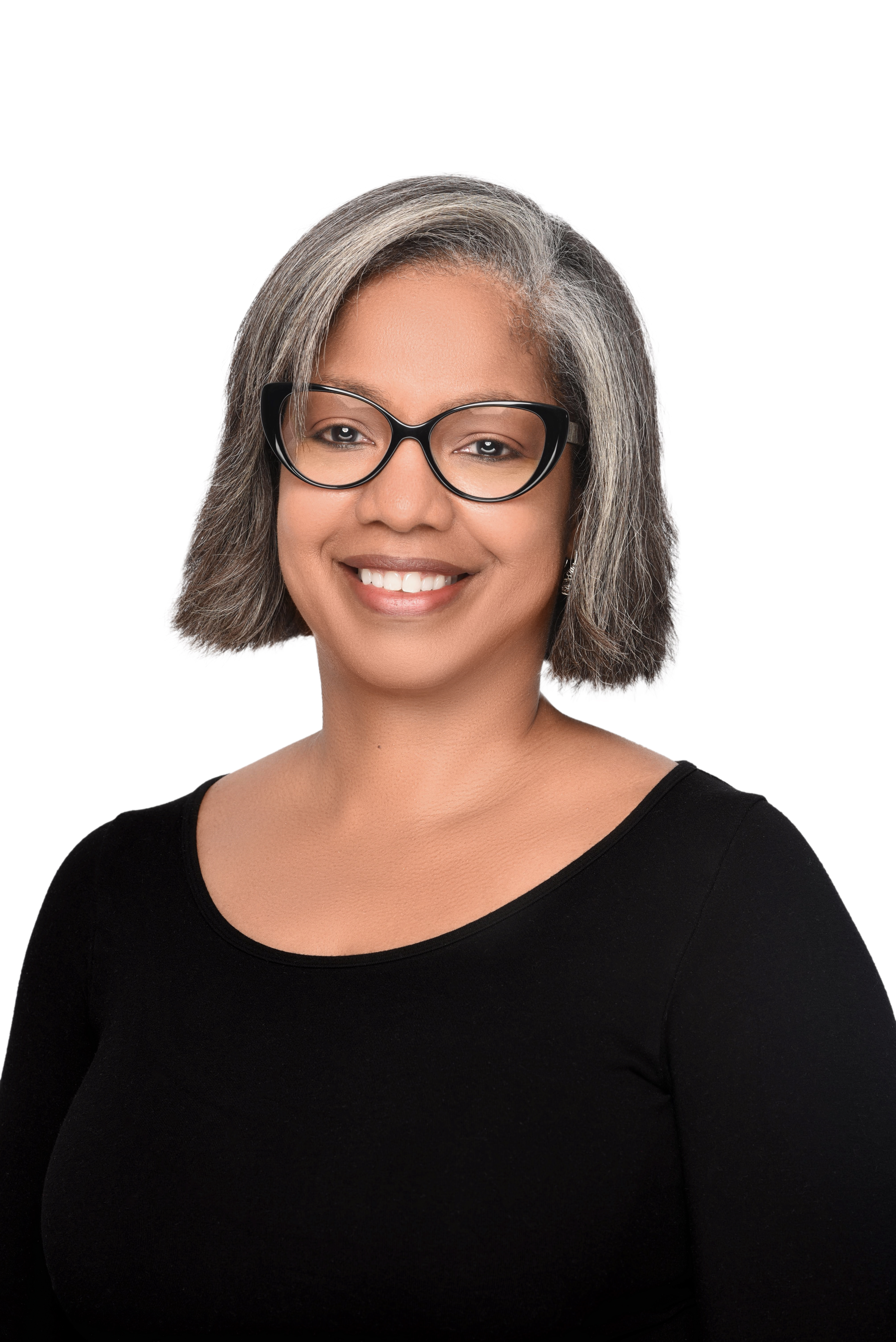
Internal Medicine and Obesity Medicine
Board-Certified in Internal Medicine and Obesity Medicine. Founder of Beacon Internal and Obesity Medicine in Concord, NC. Former Assistant Professor and Medical Director at UMMC. 30 years of clinical experience specializing in health equity and chronic disease. She connects the scalp to the whole body.
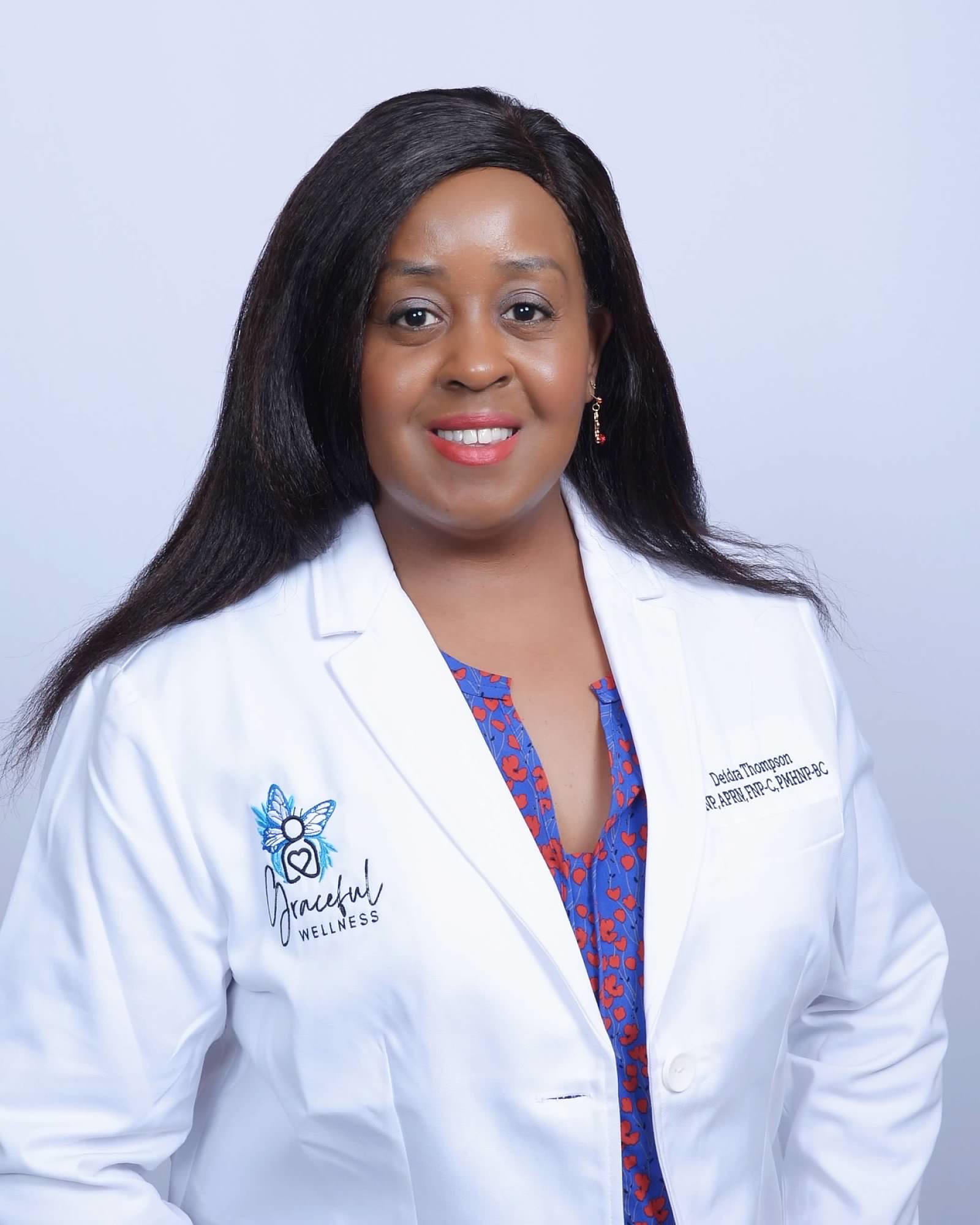
Advanced Practice Nurse, Mental Health
Doctor of Nursing Practice and Board-Certified Family and Psychiatric Mental Health Nurse Practitioner. Owner of Graceful Wellness PLLC. She teaches beauty professionals how to hold space for clients whose hair loss is also breaking their heart.
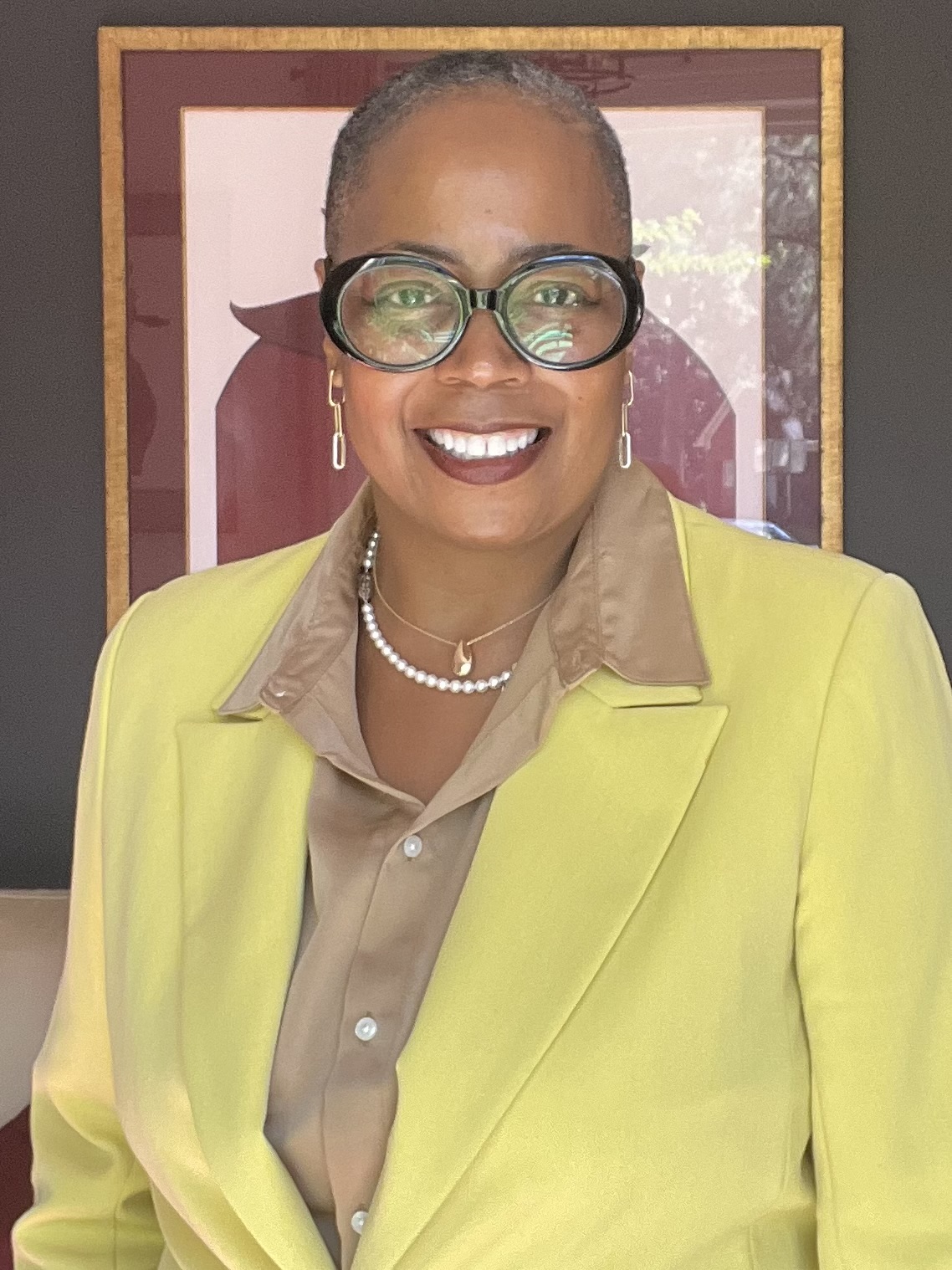
Mary Geter
Founder and Executive Director
Our Founder
Mary Geter is a consultant, content creator, civil rights compliance expert, and host of the Fifty and Unfiltered podcast. When she saw women in her community losing their hair with nowhere to turn — no tools, no organized data, no voice in the research conversation — she built one.
Beyond the Hairline grew directly out of her Beyond the Hairline expert panel event, which brought together dermatologists, physicians, psychologists, and specialists to finally address what was being left unsaid. What started as a conversation became the first state board approved continuing education course on scarring alopecia for licensed cosmetologists, barbers, and instructors in the country, and a national patient registry for scarring alopecia.
Mary was diagnosed with scarring alopecia in 2020. She holds an MS in Counseling Education from Mississippi State University and a BS in Business Administration from Mississippi University for Women, with 15 plus years in management and compliance leadership. She serves as a board member of the Scarring Alopecia Foundation and is a fierce advocate for closing the diagnosis gap for Black women and all people affected by scarring alopecia.
“I was diagnosed in 2020. I started building in 2024. Because if the data does not exist, you build it yourself.”
— Mary Geter, Founder.
Community Voices
Our community is growing. Real voices coming soon. We are just getting started and we want to hear from you.
Join the patient registry. Complete one form. Receive Track It free — your personal 30-day scalp monitoring journal, delivered instantly. Your data helps build a national scarring alopecia dataset. It costs nothing and it could change everything.
Free to join. No spam. Ever. Your de-identified data may be shared with or licensed to medical research organizations, pharmaceutical companies, or other research entities to advance scarring alopecia research and treatment development.
Sourced from the Scarring Alopecia Foundation and Cleveland Clinic. Scarring alopecia can affect all races and genders. CCCA is the most common form and disproportionately affects African Americans.
Register for the CE Course
Choose your registration below. You will be taken to secure checkout.